Niacinamide for Men: The Underrated Skincare Ingredient
Affiliate Disclosure: This article contains affiliate links. If you purchase through these links, we may earn a commission at no extra cost to you. As an Amazon Associate I earn from qualifying purchases. Full Disclosure
If you’ve spent any time looking at skincare ingredients, you’ve seen niacinamide on labels everywhere — from budget serums to high-end formulas, dermatologist recommendations to skincare Reddit threads. There’s a reason for that.
Niacinamide is one of the few skincare ingredients that meaningfully addresses multiple concerns at once, is safe for essentially all skin types, and can be used daily without the adjustment period or irritation risk that other actives carry. For men specifically, its benefits align almost perfectly with the most common skin complaints.
This guide explains what niacinamide is, what the research actually shows it does, and how to incorporate it effectively into your routine.
What Is Niacinamide?
Niacinamide is a form of vitamin B3 (niacin). It’s water-soluble, stable in formulations, and has been studied extensively in dermatology since the 1970s. You’ll also see it listed as nicotinamide on ingredient labels — both names refer to the same compound.
Unlike some skincare ingredients that are derived from exotic sources or produced through complex synthesis, niacinamide is essentially a vitamin. Your body uses B3 in hundreds of metabolic processes, and your skin cells use it specifically to maintain barrier function, regulate inflammation, and support the processes that determine skin texture and tone.
When applied topically, niacinamide enters skin cells and influences multiple cellular pathways simultaneously. This is what makes it a “multi-tasking” ingredient — not marketing language, but a reflection of the vitamin’s role in numerous skin processes.
The 5 Proven Benefits of Niacinamide
1. Reduced Pore Appearance
This is arguably the most discussed benefit and one of the most wanted for men. Large or visibly open pores are a common concern, particularly on the nose, cheeks, and forehead.
Niacinamide doesn’t physically shrink pores — that’s not anatomically possible with a topical ingredient. What it does is reduce the factors that make pores appear larger. It decreases sebum production in the pore lining, which reduces the plugging effect that stretches pores open. It also improves skin elasticity around pores, helping them maintain their natural smaller appearance.
In clinical studies, 5% niacinamide applied twice daily showed measurable reduction in pore appearance after 4 weeks, with improvements continuing at the 8 and 12-week marks.
2. Oil Control
Men’s skin produces more sebum than women’s due to higher androgen levels. This is useful to a degree — sebum provides some natural moisture and protection. In excess, it leads to shine, congestion, enlarged pores, and acne.
Niacinamide reduces sebum excretion rate at the cellular level by interfering with lipid synthesis in sebaceous glands. This is not the same as mattifying products that sit on top of skin and absorb oil temporarily — niacinamide works at the source.
In our testing with products containing 2–5% niacinamide, consistent users with oily skin reported meaningful reduction in midday shine within 3–4 weeks. It doesn’t eliminate oil production (which would be counterproductive) but brings it closer to baseline for most skin types.
3. Skin Tone and Brightening
Uneven skin tone — dark spots from sun exposure, post-inflammatory hyperpigmentation from old acne, general dullness — is common in men and often gets written off as something that can’t be addressed without professional treatment.
Niacinamide is a legitimate and effective brightening agent. It works by inhibiting the transfer of melanin (skin pigment) from melanocytes to skin cells, reducing the formation of dark spots and evening out existing pigmentation over time. It does not bleach skin — it reduces overproduction of pigment in specific areas.
A study in the Journal of Cosmetic Dermatology showed that 5% niacinamide produced significant improvement in hyperpigmentation compared to vehicle control over 8 weeks. The effect is not as rapid as hydroquinone (the gold-standard prescription ingredient for pigmentation), but it’s safe for long-term use without the concerns associated with hydroquinone.
4. Anti-Inflammatory Effects
Niacinamide has documented anti-inflammatory properties that make it effective for several common conditions:
Acne: It reduces the inflammatory response around acne lesions and inhibits some of the bacteria involved in acne formation. Studies have compared 4% niacinamide to 1% clindamycin (an antibiotic gel used for acne) and found comparable efficacy for inflammatory acne without the antibiotic resistance concerns.
Rosacea: Niacinamide’s barrier-strengthening and anti-inflammatory effects make it one of the recommended ingredients for men dealing with redness and rosacea symptoms.
Post-shave irritation: For men who shave regularly, niacinamide can reduce the redness and inflammation associated with razor burn and ingrown hairs when applied consistently.
5. Barrier Strengthening
The skin barrier is the outermost protective layer — a combination of skin cells and lipids that keeps moisture in and irritants out. When it’s compromised, skin becomes sensitive, reactive, and prone to dehydration.
Niacinamide stimulates the production of ceramides, fatty acids, and other lipid components of the skin barrier. This makes it a genuine barrier-repairing ingredient rather than just a surface treatment.
For men who experience skin sensitivity, seasonal dryness, or reactions to environmental stressors, this barrier-strengthening effect is one of the most practically useful benefits.
Why Niacinamide Is Particularly Relevant for Men
Men’s skincare needs differ from women’s in ways that make niacinamide a near-perfect fit.
Higher sebum production: The oil-regulating benefits are more impactful in skin that overproduces. Men typically benefit more from oil control than women on average.
Regular shaving: Daily or frequent shaving creates micro-trauma and inflammation on the skin. Niacinamide’s anti-inflammatory properties provide real relief for this specific stressor.
Higher UV exposure: Men spend more time outdoors without protection and accumulate more UV-induced pigmentation and skin damage over time. Niacinamide’s brightening and protective effects address this directly.
Less consistent skincare habits: Because niacinamide can be used twice daily, requires no adjustment period, and is compatible with virtually all other ingredients, it fits easily into even the most minimal routine.
How to Use Niacinamide
Concentration
- 2–5%: Effective for all the benefits described above. The sweet spot for most men.
- 10%: Available and popular. Some evidence of slightly stronger effects but also higher risk of temporary flushing (a redness reaction that typically resolves quickly). Not necessary for most users.
- Below 2%: May not deliver the documented benefits at these concentrations.
Routine Placement
Apply niacinamide serum after cleansing and before moisturizer. It can be used morning and evening without any photosensitivity concern. If you’re using a separate hyaluronic acid serum, apply that first (HA first, then niacinamide, then moisturizer).
If you use retinol in the evening, niacinamide can be layered before retinol and can help buffer the potential irritation that retinol causes during initial use.
For a complete routine framework, see our 3-step skincare routine guide for men.
Morning, Evening, or Both?
Both is ideal. Unlike retinol or AHAs, niacinamide does not make skin more photosensitive, so morning use is safe. In the morning it helps control daytime oil production; in the evening it supports barrier repair during sleep.
If you’re only doing mornings, that’s still effective. Consistency matters more than frequency.
Our Recommended Niacinamide Products
Best Standalone Serum
Best Niacinamide Moisturizer
Best Multi-Benefit Formula
Niacinamide vs. Other Popular Ingredients
One reason niacinamide is particularly valuable is how well it plays with other ingredients. Here’s how it compares and combines.
Niacinamide vs. Salicylic Acid (BHA)
Both help with oily skin and congestion. Salicylic acid is a chemical exfoliant that dissolves inside pores; niacinamide reduces oil production at the source. They address the same problem from different angles and work well together. Use salicylic acid in cleanser form, then follow with a niacinamide serum.
Niacinamide vs. Vitamin C
Both brighten skin and address pigmentation. Vitamin C is a potent antioxidant that’s more effective for preventing new UV-induced damage; niacinamide is more targeted at reducing existing pigment transfer. They can be used together — many dermatologists recommend vitamin C in the morning (with sunscreen) and niacinamide day and/or night.
Niacinamide + Retinol
Niacinamide is often recommended alongside retinol to buffer the irritation that retinol can cause during initial use. They work on complementary mechanisms. For men over 40 using retinol, adding niacinamide to the routine is a well-supported strategy.
Niacinamide + Hyaluronic Acid
A very common and effective pairing. HA provides hydration; niacinamide strengthens the barrier that keeps that hydration locked in. Our hyaluronic acid guide for men explains HA’s mechanism in detail. Together they cover hydration and barrier function comprehensively.
What to Expect: A Realistic Timeline
| Timeframe | What to Expect |
|---|---|
| Week 1–2 | Skin feels less oily by midday; no dramatic visual changes yet |
| Week 3–4 | Pore appearance begins to reduce; post-shave redness improves |
| Week 5–8 | Skin tone more even; dark spots begin to fade; overall brightness improves |
| 3+ months | Full benefits realized; consistent use maintains results |
Set realistic expectations: niacinamide is not a rapid-result ingredient. It works through consistent cellular influence over weeks and months. The tradeoff is that results are genuine, durable, and without the sensitivity or downtime that more aggressive ingredients require.
Ingredients That Don’t Work Well with Niacinamide
Very few. Niacinamide has an excellent compatibility record. The old claim that it reacts poorly with vitamin C has been substantially debunked — modern research shows no problematic interaction at typical skincare concentrations.
One genuine caution: using very high concentrations of niacinamide (above 10%) with strong AHAs in the same application can temporarily reduce the efficacy of both. Use them at different times — niacinamide in the morning, AHA in the evening — if you’re using both.
The Bottom Line
Niacinamide is the ingredient that belongs in almost every man’s skincare routine. It controls oil, reduces pore appearance, brightens skin tone, fights inflammation, and strengthens the skin barrier — all without causing irritation, requiring an adjustment period, or making skin sensitive to the sun.
If you’re currently using a basic routine and want to add one active ingredient, niacinamide is the answer. Add it as a serum after cleansing, apply daily, and give it 6–8 weeks to show what it can do. The results are consistent and meaningful.
For men over 40 dealing with more significant skin changes, niacinamide is a core component of a comprehensive routine. See our guide on men’s skincare after 40 for the complete picture.
Recommended Products
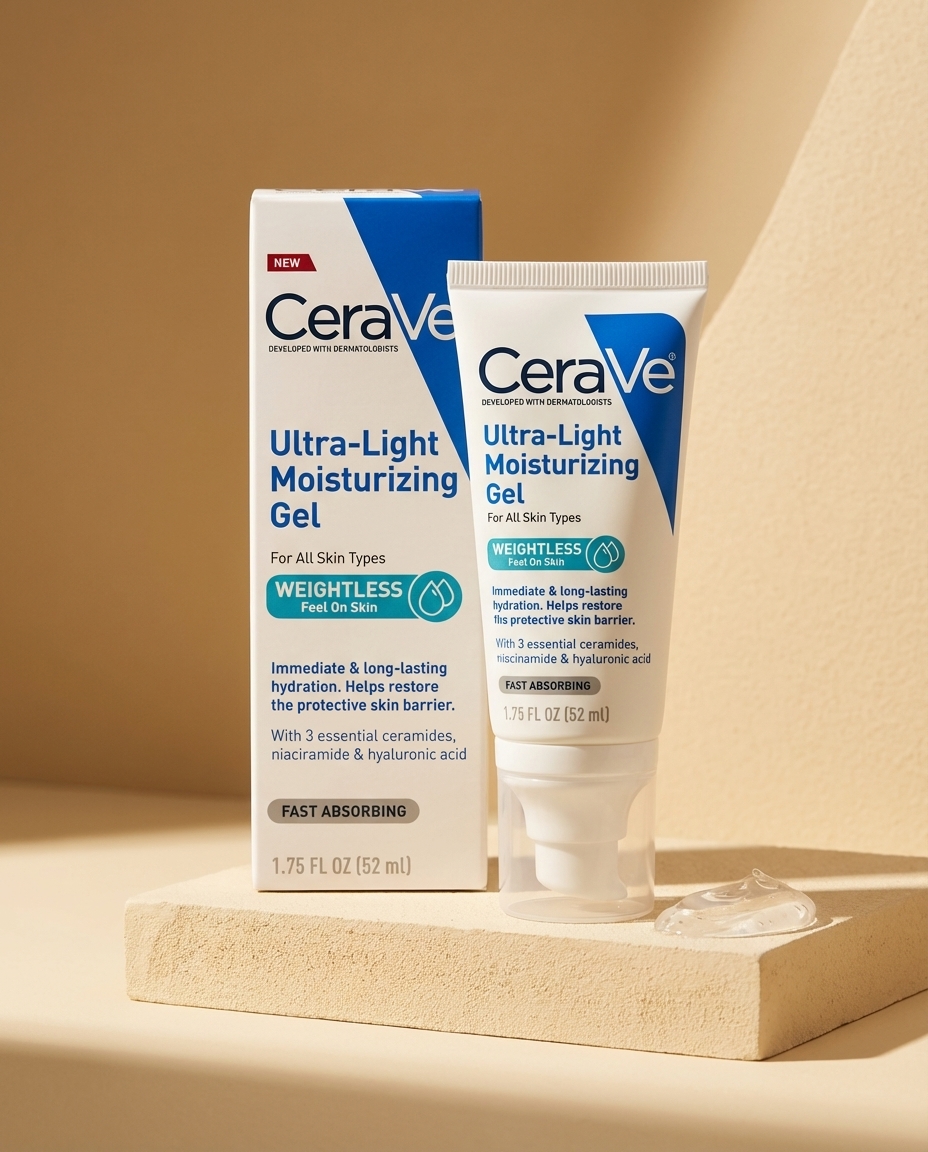
CeraVe Ultra-Light Moisturizing Gel
by CeraVe
What We Like
- Top-rated in its category
- Well-reviewed by skincare enthusiasts
Could Be Better
- Check Amazon for current availability
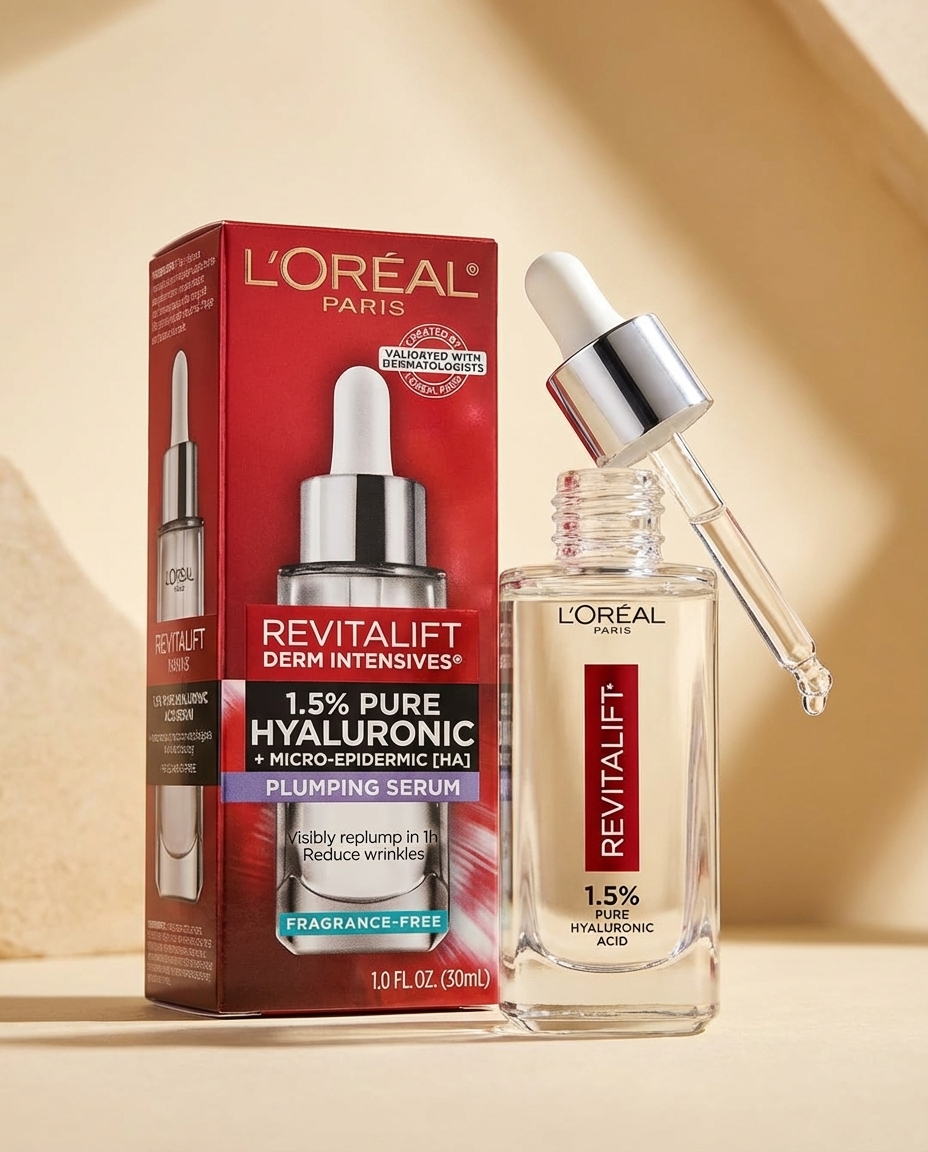
L'Oreal Paris Revitalift 1.5% Pure Hyaluronic Acid Serum for
by L'Oreal
What We Like
- Top-rated in its category
- Well-reviewed by skincare enthusiasts
Could Be Better
- Check Amazon for current availability
Frequently Asked Questions
What percentage of niacinamide should men use?
Most studies showing effectiveness used concentrations between 2% and 5%. Products with 10% niacinamide exist but are not proven more effective and may cause temporary flushing in sensitive skin. Start with 5% and adjust if needed.
Can niacinamide be used with vitamin C?
Yes, despite an old misconception that they react negatively together. Modern research shows the combination is safe and effective. They address different concerns and can be layered or used at different times of day.
How long before niacinamide shows results?
Pore appearance and oil control improvements are often noticeable within 2–4 weeks. Skin tone and brightening effects typically take 4–8 weeks of consistent use.
Is niacinamide safe for sensitive skin?
Yes. It's one of the most well-tolerated active ingredients in skincare. High concentrations (10%+) can occasionally cause temporary flushing, but 2–5% is virtually universally well-tolerated.
Can I use niacinamide every day?
Yes. Unlike some actives (retinol, AHAs) that require gradual introduction, niacinamide can be used twice daily from the start. It does not increase photosensitivity, so it's suitable for morning use.