La Roche-Posay vs CeraVe for Men: Honest Comparison
Affiliate Disclosure: This article contains affiliate links. If you purchase through these links, we may earn a commission at no extra cost to you. As an Amazon Associate I earn from qualifying purchases. Full Disclosure
Our Top Picks at a Glance
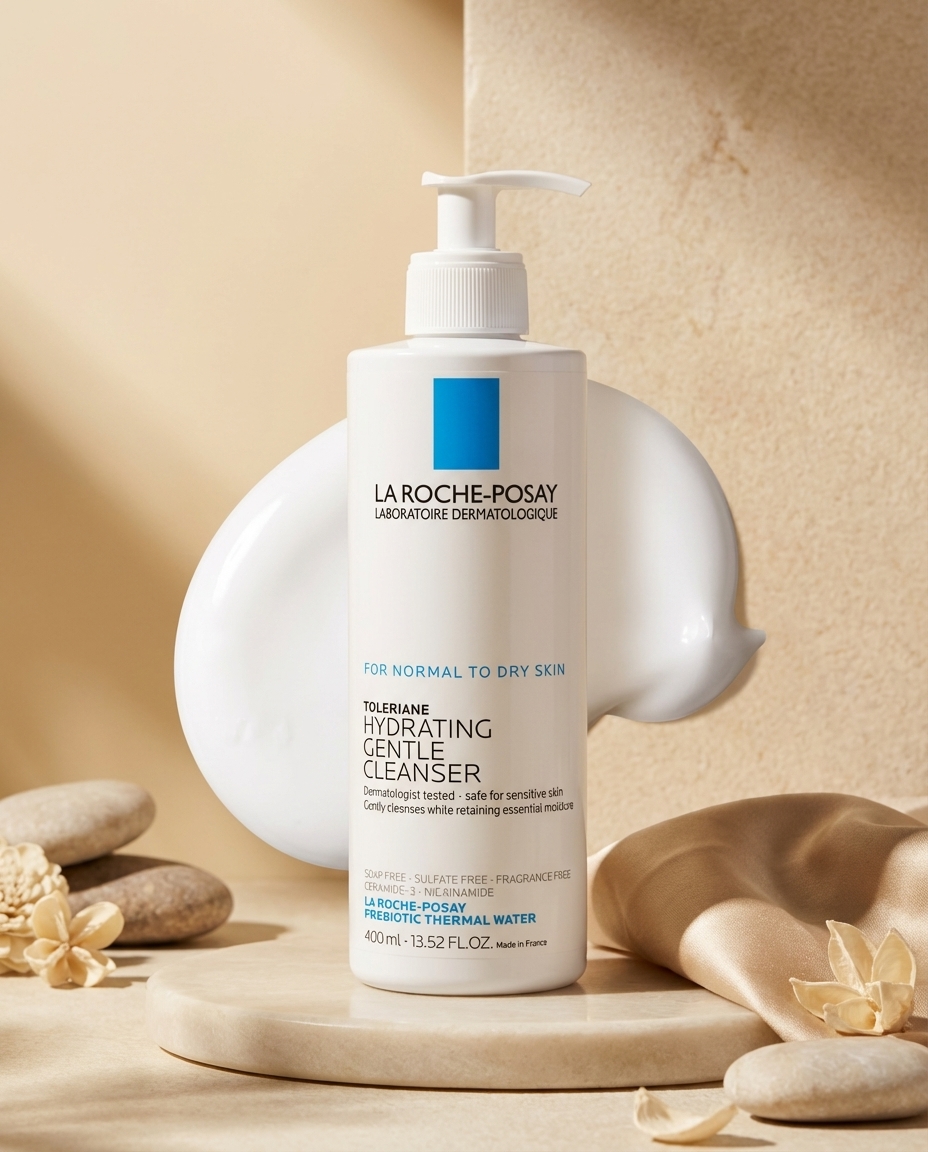
La Roche-Posay Toleriane Double Repair Face Moisturizer
La Roche-Posay
Best for Sensitive & Acne-Prone Skin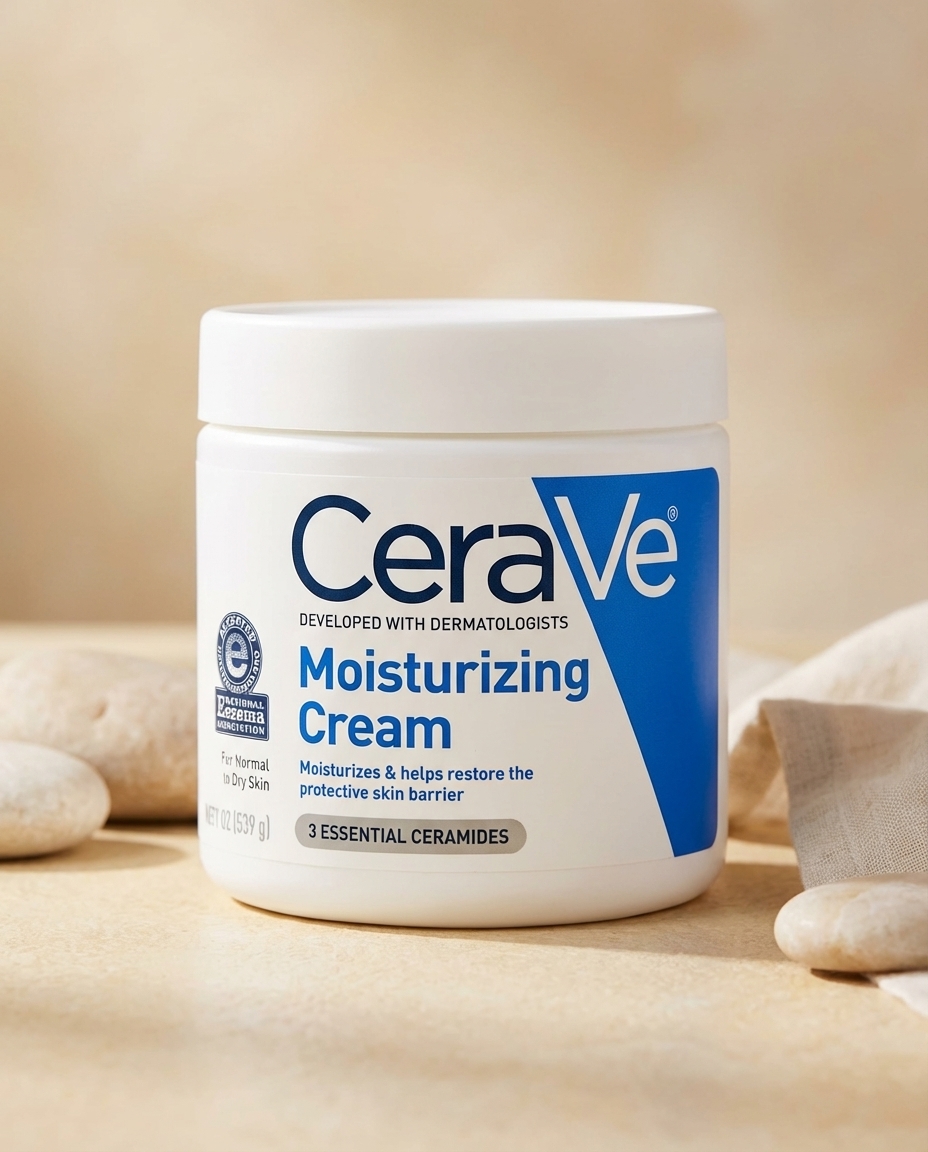
CeraVe Moisturizing Cream
CeraVe
Best Value MoisturizerLa Roche-Posay Effaclar Medicated Gel Cleanser
La Roche-Posay
Best Cleanser for Oily & Acne-Prone SkinBoth brands live in the same space: dermatologist-recommended, pharmacy-accessible, fragrance-free, and backed by real clinical credibility. So when men ask us which one to choose, the answer isn’t obvious — and anyone who gives you a one-word answer probably hasn’t tested both properly.
We have. Here’s the full breakdown across moisturizers and cleansers, with honest recommendations based on skin type.
The Short Answer
For dry and very dry skin, CeraVe Moisturizing Cream wins outright on value and barrier-repair efficacy. For sensitive or acne-prone skin, La Roche-Posay’s formulas often edge ahead thanks to their prebiotic thermal water and targeted actives. For cleansers, La Roche-Posay Effaclar is best for oily or acne-prone men; CeraVe Foaming Cleanser is the workhorse for everyday normal-to-oily use.
The most powerful move? Mix and match strategically. More on that below.
Brand Philosophy: Where They Agree and Differ
CeraVe was founded in 2005 with a specific mission: make dermatologist-level skincare accessible to everyone. The brand’s entire identity is built around ceramides — the lipids that hold your skin barrier together. Their patented MVE technology encapsulates ingredients in a time-release delivery system, which is a real scientific differentiator, not just marketing language.
La Roche-Posay has a longer history rooted in French pharmacy culture and dermatology. Their signature ingredient is thermal spring water sourced from La Roche-Posay in France, which contains selenium — a trace mineral with antioxidant and soothing properties. They tend to layer more actives into their formulas: niacinamide, prebiotic complexes, salicylic acid, and LHA (lipo-hydroxy acid, a gentler derivative of salicylic acid).
Both brands are fragrance-free as a default. Both are non-comedogenic. Both are frequently recommended by dermatologists. The difference lies in what they optimize for.
Head-to-Head: Moisturizers
La Roche-Posay Toleriane Double Repair vs CeraVe Moisturizing Cream
| La Roche-Posay Toleriane Double Repair | CeraVe Moisturizing Cream | |
|---|---|---|
| Key Ingredients | Ceramides, niacinamide, prebiotic thermal water | Ceramides, hyaluronic acid, MVE technology |
| Texture | Lightweight, fast-absorbing | Rich, thick |
| Best For | Sensitive, oily-combination skin | Dry, very dry, eczema-prone skin |
| Fragrance | None | None |
| Non-Comedogenic | Yes | Yes |
| Our Rating | 4.5/5 | 4.6/5 |
In our testing, both delivered meaningful hydration improvements over baseline after four weeks. The CeraVe cream was more effective for men with genuinely dry skin — the richer texture created a stronger occlusive barrier, especially overnight. La Roche-Posay Toleriane Double Repair outperformed for men who found CeraVe too heavy, absorbed faster, and had less residue under SPF.
The niacinamide in the Toleriane formula is a real bonus — it reduces redness, minimizes pore appearance, and helps regulate oil production. CeraVe’s base cream doesn’t include niacinamide (though their PM Facial Moisturizing Lotion does), which gives La Roche-Posay an edge for men dealing with uneven tone or mild redness.
Verdict: CeraVe for dry skin. La Roche-Posay for sensitive, combination, or oil-prone skin.
Head-to-Head: Cleansers
La Roche-Posay Effaclar vs CeraVe Foaming Cleanser
| La Roche-Posay Effaclar Medicated Gel | CeraVe Foaming Facial Cleanser | |
|---|---|---|
| Key Ingredients | 2% salicylic acid, LHA, zinc | Ceramides, niacinamide, hyaluronic acid |
| Active Acne Fighters | Yes — BHA + LHA | No |
| Best For | Oily, acne-prone skin | Normal to oily, daily cleansing |
| Use Frequency | Once daily or as needed | Once or twice daily |
| Texture | Gel, light lather | Foaming |
| Our Rating | 4.5/5 | 4.5/5 |
This is where the brands diverge most clearly. CeraVe Foaming Cleanser is a solid all-purpose cleanser that removes oil and surface dirt without stripping. It’s gentle enough for twice-daily use and includes ceramides to replenish what cleansing takes away — an unusual and valuable feature for a cleanser.
La Roche-Posay Effaclar is in a different category. The 2% salicylic acid penetrates pores and dissolves the oxidized sebum that causes blackheads and whiteheads. The LHA exfoliates more gently at the surface. Together, they make this the most effective OTC cleanser we’ve tested for men with active breakouts or persistently congested pores.
The trade-off: Effaclar is too active for dry or sensitive skin types. Used twice daily on sensitive skin, it can cause dryness, tightness, and irritation. For men with oily-acne skin, it’s nearly ideal — but you need to match it with a solid moisturizer.
Verdict: Effaclar for acne and oily skin. CeraVe Foaming for everyday gentle cleansing.
The Mixed Routine: Best of Both Brands
One of the most effective combinations we tested was:
Morning: CeraVe Foaming Cleanser → La Roche-Posay Toleriane Double Repair → SPF
Evening: La Roche-Posay Effaclar Cleanser → CeraVe Moisturizing Cream
This pairing uses Effaclar’s actives at night when your skin isn’t exposed to UV (which can increase salicylic acid photosensitivity), and uses the heavier CeraVe cream overnight when occlusion is most beneficial. In the morning, a lighter cleanser and lighter moisturizer preps skin for sunscreen without overloading it.
This kind of layering is exactly what we cover in our complete men’s skincare routine guide — mixing products from different brands is not only acceptable, it’s often the smartest approach.
Cost Comparison
Skincare spending is personal, but ingredient density per dollar matters. CeraVe almost always wins on value per ounce — their large-format options in particular offer exceptional cost efficiency. La Roche-Posay products tend to come in smaller quantities at higher cost.
For men on a tight budget, CeraVe covers 90% of the bases. For men who want the added benefit of prebiotic thermal water and targeted actives like niacinamide or salicylic acid, La Roche-Posay’s slight premium is typically worth it. Our cheap vs expensive skincare guide explores this tradeoff across the full market.
Which Brand Should You Choose?
Choose CeraVe if: Your skin is dry or very dry, you want maximum value per dollar, you’re building a starter routine, or you have eczema or a compromised skin barrier.
Choose La Roche-Posay if: Your skin is sensitive or acne-prone, you want multi-functional actives in one product, you prefer a lighter texture on skin, or you specifically need a targeted acne treatment cleanser.
Use both if: You want to optimize every step of your routine. There’s no brand loyalty requirement in skincare. Both are excellent, and combining their strengths is legitimate strategy.
For next steps, our retinol guide for men explains how to add an active to either routine without disrupting what’s working.
Final Verdict
| Category | Winner |
|---|---|
| Best Moisturizer for Dry Skin | CeraVe Moisturizing Cream |
| Best Moisturizer for Sensitive/Combo Skin | La Roche-Posay Toleriane Double Repair |
| Best General Cleanser | CeraVe Foaming Cleanser |
| Best Acne Cleanser | La Roche-Posay Effaclar |
| Best Overall Value | CeraVe |
| Best for Multi-Functional Actives | La Roche-Posay |
Both brands earn genuine recommendations from us. Neither is a “loser” in this comparison. The right choice depends on your skin type, your budget, and which specific concerns you’re targeting — not brand allegiance.
Recommended Products
La Roche-Posay Toleriane Double Repair Face Moisturizer
by La Roche-Posay
What We Like
- Ceramides plus niacinamide plus prebiotic thermal water in one formula
- Lightweight texture that suits men who prefer a non-greasy finish
- Oil-free and non-comedogenic — safe for acne-prone skin
Could Be Better
- Higher cost per ounce than CeraVe equivalents
- Smaller packaging means more frequent repurchasing
CeraVe Moisturizing Cream
by CeraVe
What We Like
- Large format tub delivers exceptional value over time
- MVE technology releases ceramides gradually for all-day hydration
- Fragrance-free and non-comedogenic — approved for sensitive skin
Could Be Better
- Rich texture may feel too heavy for oily or combination skin types in summer
- No added actives like niacinamide in the base cream formula
La Roche-Posay Effaclar Medicated Gel Cleanser
by La Roche-Posay
What We Like
- 2% salicylic acid effectively clears pores and controls oil
- Micro-exfoliating lipo-hydroxy acid prevents buildup without harshness
- Ideal for oily and acne-prone men who need more than a basic cleanser
Could Be Better
- Too stripping for dry or sensitive skin — not a universal cleanser
- Active ingredients mean it's not ideal for twice-daily use for all skin types
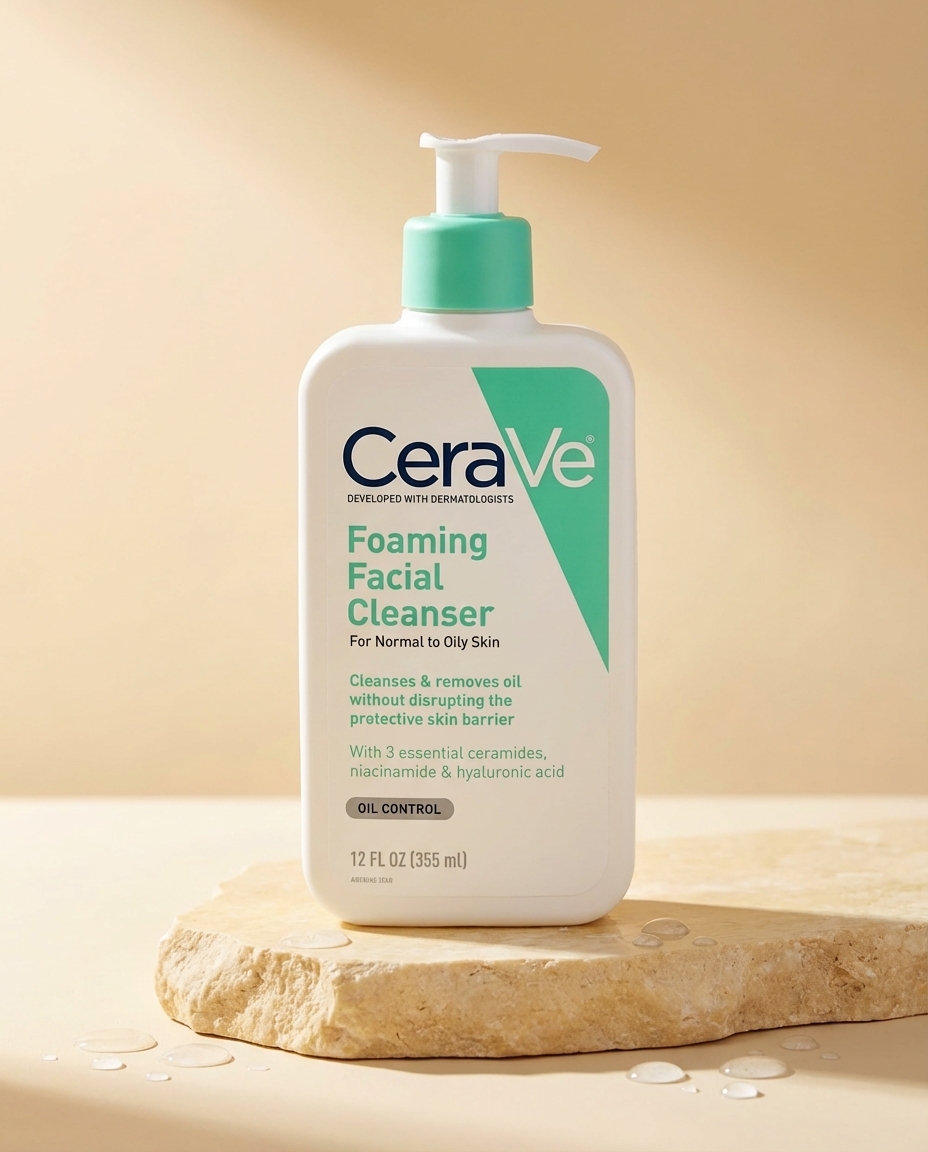
CeraVe Foaming Facial Cleanser
by CeraVe
What We Like
- Removes excess oil and impurities without disrupting the skin barrier
- Contains ceramides to replenish what cleansing removes
- Gentle enough for twice-daily use on normal-to-oily skin
Could Be Better
- Not ideal for dry or sensitive skin — the foaming formula can be slightly drying
- Lacks active acne-fighting ingredients like salicylic acid
Frequently Asked Questions
Is La Roche-Posay better than CeraVe for sensitive skin?
Both are excellent for sensitive skin, but La Roche-Posay's Toleriane Double Repair has a slight edge thanks to its prebiotic thermal water and niacinamide combination. CeraVe's ceramide technology is equally effective for barrier repair, making this largely a texture and budget decision.
Which is better for acne — La Roche-Posay or CeraVe?
La Roche-Posay Effaclar wins for acne specifically because of its salicylic acid and LHA content. CeraVe's products are non-comedogenic but don't include active acne-fighting ingredients in their standard cleansers and moisturizers.
Can I mix products from both brands in one routine?
Yes, and we often recommend it. CeraVe Moisturizing Cream paired with La Roche-Posay Effaclar Cleanser is a popular combination for oily or acne-prone men who want the best of both brands.
Why is La Roche-Posay more expensive than CeraVe?
La Roche-Posay incorporates its proprietary thermal spring water from La Roche-Posay, France, into most formulas. They also use prebiotic complexes and higher concentrations of actives. The premium reflects real formulation differences, though CeraVe closes the gap with its MVE technology.
Which brand is easier to find?
Both are widely available at pharmacies, Target, and online. CeraVe has broader shelf presence at most retailers, while La Roche-Posay is sometimes found in a dedicated pharmacy section or dermatologist's office.